The acceleration of digital transformation has fueled the adoption of mobile and cloud technologies. As a result, a perimeter-centric view of security is no longer viable. Organizations must now enable secure access for all types of users—employees, partners, contractors—regardless of their location, device, or network.
Many are turning to a zero trust approach, where identity must be continuously verified. Access must be appropriate to the individual, their role, and the context of the request. Within this model, passwords have become a liability, not an asset.
Passwords Undermine Zero Trust
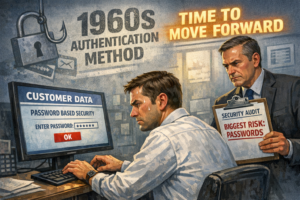
The password was introduced over 60 years ago by Fernando Corbató. Despite its age—and countless advancements in cybersecurity—we still rely heavily on passwords to protect our most sensitive data.
But passwords are deeply flawed:
- Easily phished, stolen, reused, and shared
- Frequently the initial attack vector in breaches
- A constant source of user frustration and IT burden
According to the [object Object], 89% of web application breaches involved stolen or brute-forced credentials. Passwords are the path of least resistance for attackers.
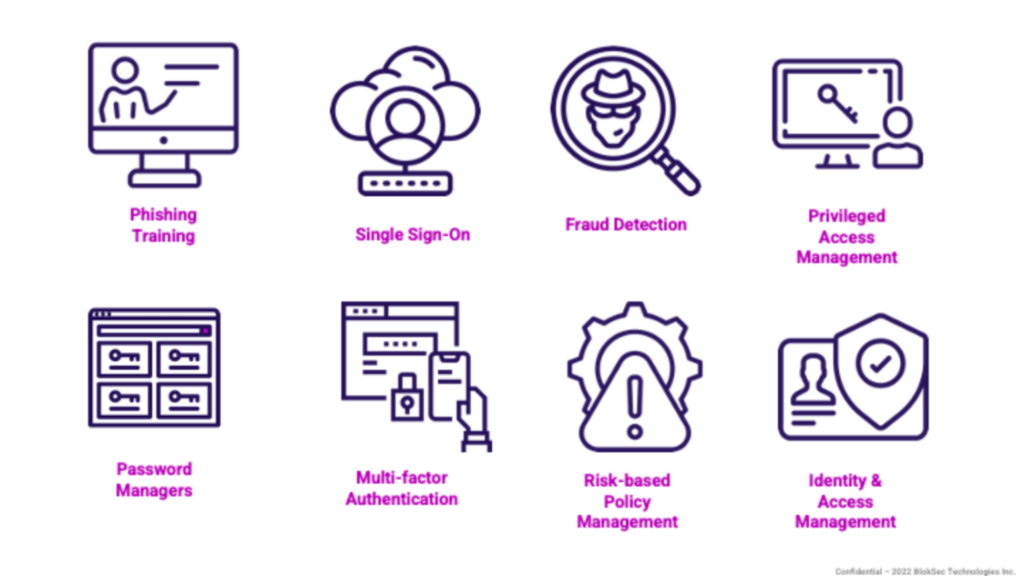
Even organizations with layered security solutions—identity providers, access control tools, and risk engines—still rely on the weakest link: shared secrets. This approach drives up costs, creates adoption friction, and doesn’t meet the needs of Zero Trust.
Passwordless Enables Zero Trust
True Zero Trust begins with strong identity assurance. Every access request must be:
- Context-aware
- Cryptographically verified
- Free from legacy vulnerabilities like password reuse or shared secrets
[object Object] delivers on this by combining:
- Decentralized identity
- Digital signatures
- Immutable ledger technology
This cryptographic, biometric-first model eliminates passwords and traditional MFA tools like SMS codes or authenticator apps. Instead, users authenticate using biometrics and consent-driven protocols that cannot be phished, replayed, or stolen.
Unlike other solutions, BlokSec removes the need for a centralized password or public key repository—eliminating a common target for attackers.
Secure Any Application or Platform
BlokSec’s passwordless multi-factor login supports:
- Consumer-facing websites and mobile apps
- Enterprise web applications
- Internal portals and social platforms
Users get a seamless, fast login experience, while organizations gain unphishable authentication and stronger control.
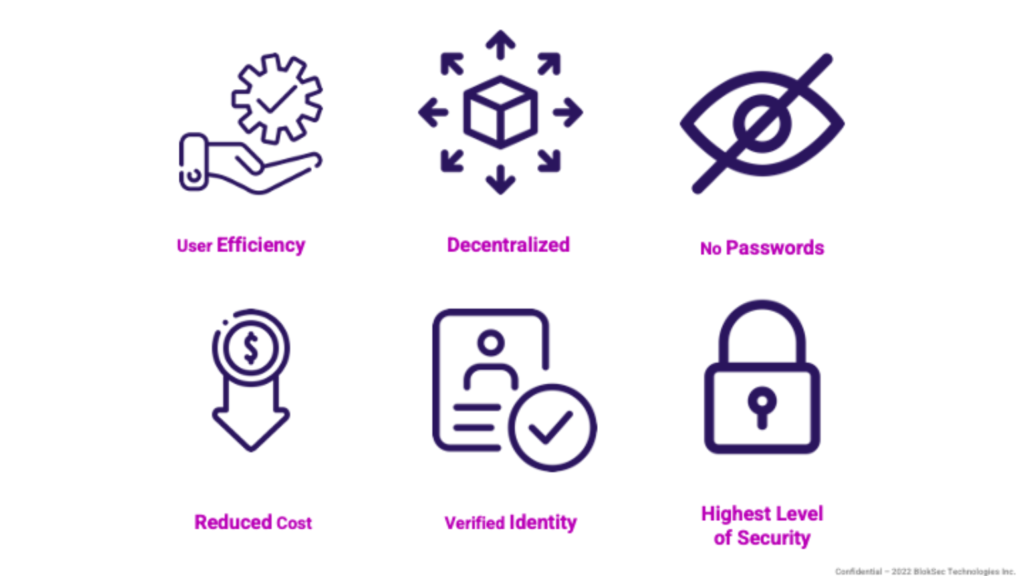
A Foundation for Zero Trust Security
Passwordless authentication is not just a UX improvement—it’s foundational to modern cybersecurity. It:
- Reduces the risk of breaches caused by stolen credentials
- Lowers costs by replacing outdated, overlapping security tools
- Strengthens your Zero Trust Architecture by providing real-time, verifiable identity assurance
As organizations look to stay ahead of cyber threats, passwordless authentication is emerging as a practical, powerful way to increase security without increasing friction.